Reviewed by a veterinarian. General guidance only — it is not a substitute for advice about your individual animal. If your pet is showing symptoms now, call your clinic.
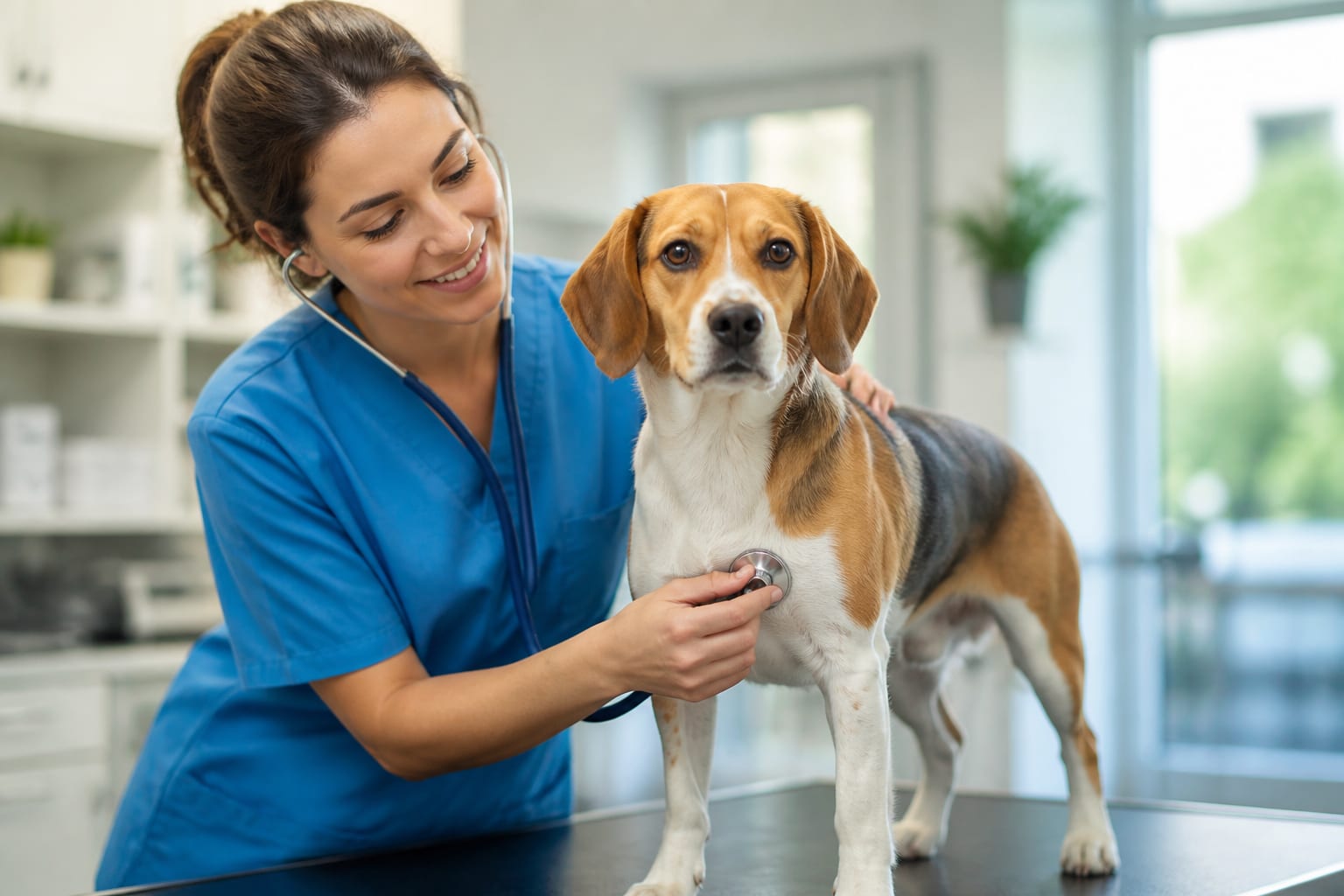
The average small-animal wellness appointment runs somewhere between fifteen and twenty-five minutes, and a meaningful part of that is taken up by the physical exam itself. That leaves a surprisingly narrow window for the conversation, and most of it gets spent on questions the veterinarian has to drag out of the owner one at a time.
"I can tell within thirty seconds whether this is going to be a good appointment," said Dr. Priyanka Vestergaard, who practices small-animal general medicine. "It isn't about how much the owner knows. It's whether they wrote anything down. People come in and I ask how the appetite has been, and they say fine, and then in the parking lot they remember that she's been leaving half her dinner for a month."
Six things worth having written on your phone before you go in:
1. Water intake, specifically. Not "normal" — an actual observation. Are you filling the bowl more often than you were six months ago? Increased thirst is one of the earliest signals in kidney disease, diabetes, hyperthyroidism in cats, and Cushing's in dogs, and it is the single most commonly missed early sign in general practice. If you can measure a day's intake in millilitres, do.
2. Weight trend, not weight. The clinic will weigh your pet. What they can't see is the direction. A cat who has lost half a kilogram over eight months has a problem even if he's still within a normal range, and gradual weight loss in a cat is a genuine red flag. Home scale readings every couple of months are more useful than one annual number.
3. A video of anything intermittent. Coughing, limping, a strange gait, a possible seizure, laboured breathing, a noise you can't describe. Intermittent signs almost never perform on cue in an exam room, and a fifteen-second phone video is frequently more diagnostic than the entire physical. Vestergaard says video has changed her practice more than any piece of equipment in a decade.
4. Everything the animal is actually consuming. Food brand and amount, treats, dental chews, table scraps, supplements, flea and tick product with the date last applied, and any human medication in the house. Supplements matter more than people think — some interact with prescription medication, and joint or calming products bought online frequently contain more than the label suggests.
5. Litter box or toilet specifics. Frequency, straining, consistency, blood, accidents outside the box, and any change in posture. In cats especially this is high-yield information, and "he's fine" hides a lot of early urinary tract disease.
6. Your one real question, asked first. If you are worried about a lump, ask about the lump at minute one, not minute nineteen. Vestergaard's rule: whatever kept you up at night goes at the top, before vaccines, before nail trims, before the small talk.
Two additional notes. Bring a fresh faecal sample if your clinic asks for one — parasite screening is a standard part of annual care and a sample from that morning is far more useful than one collected three days earlier. And ask what the exam found even if nothing is wrong: the specific numbers on the dental grading, the body condition score, the heart murmur grade if there is one. Those baselines are what make next year's appointment mean something.