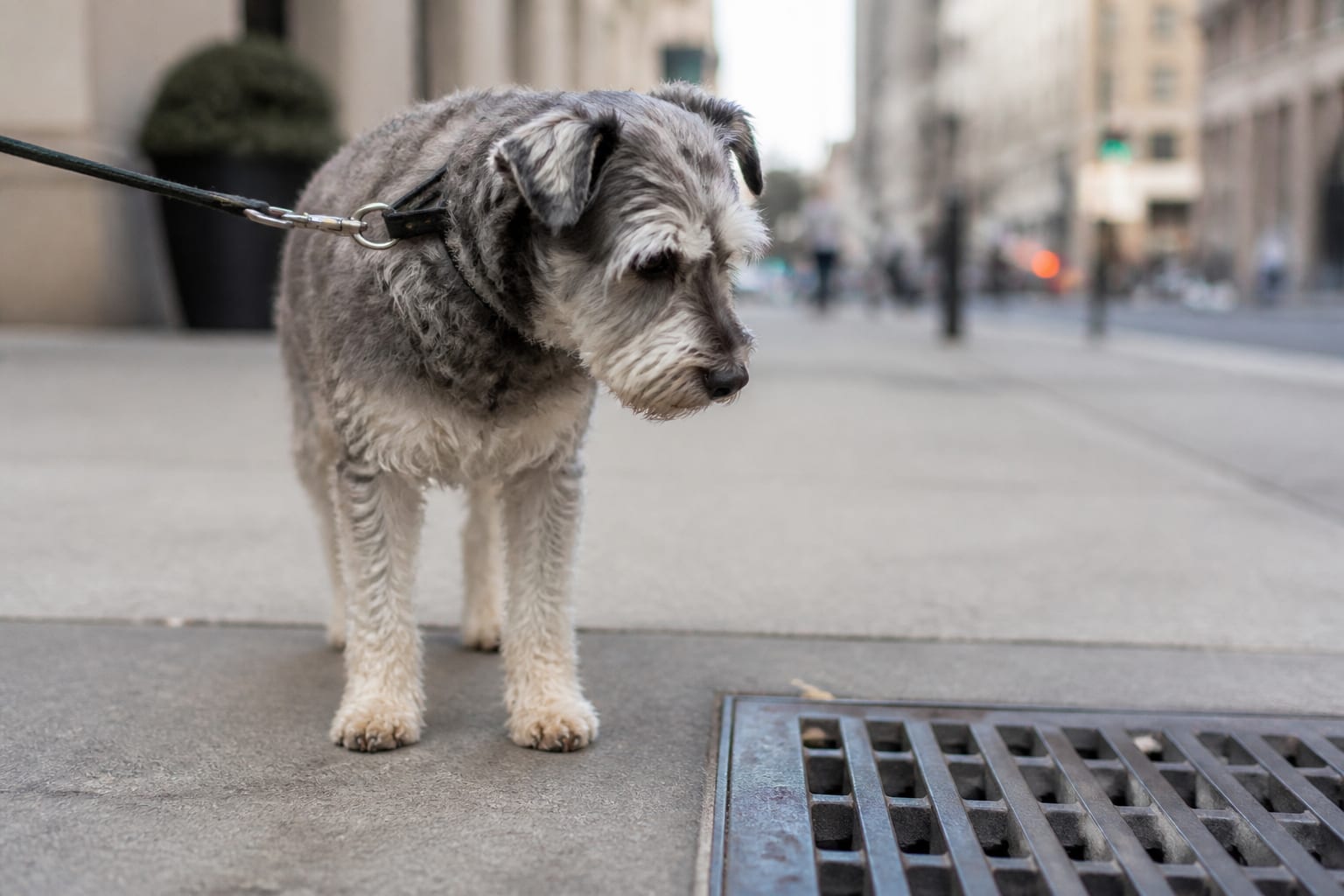
Brock is nine years old, grey around the muzzle, and — as of this month — the subject of a short film about a day out in New York City. He was borrowed for the afternoon by a producer who cannot keep a dog of his own yet and so borrows other people's, which is how the pair ended up walking Central Park, negotiating a Midtown sidewalk at pedestrian rush hour, and finishing with a whipped-cream pup cup.
The detail that made the video land with anyone who has ever pet-sat is the running discovery of Brock's fears. Not the ordinary ones. The specific, unpredictable, entirely personal ones that no owner thinks to mention because they have long since stopped noticing them.
Every professional sitter has a version of this story, and it is more than a joke. Undisclosed aversions are one of the leading causes of incidents in pet sitting — a dog who bolts at a particular category of object can pull a lead out of an unprepared hand, and a nine-year-old dog who slips a collar on a Manhattan street is a genuine emergency rather than an anecdote.
The pattern in older dogs is usually sensory and often medical in origin. Age-related hearing loss makes sudden sounds arrive without warning, so a dog who tolerated buses at four flinches at them at nine. Declining vision makes changes in surface contrast — a storm grate, a subway vent, a dark doormat, a strip of shadow across a bright sidewalk — read as a hole in the ground. Stiffening joints make slick flooring genuinely dangerous, and dogs learn quickly to distrust it. What looks like a quirky phobia is frequently a reasonable response to a body that has changed.
Which makes the handover note the most important thing an owner produces, and most are close to useless. A good one is specific and short: what he will not walk over, what he cannot hear coming, what he does when he's frightened, whether he backs out of a collar, which hand to hold the lead in, and one line on what to do if he plants and refuses to move. Sitters who work with seniors also ask for the current medication schedule in writing, a photograph of the dog taken that week in case he goes missing, and the number of the dog's actual veterinary practice rather than the nearest emergency clinic.
The other thing worth taking from Brock's afternoon is that the day was clearly built around him rather than around the itinerary. Long stops. Shade. A route with grass on it. Nine is not old for a dog of his size, but it is old enough that the correct amount of city in one day is less than you'd plan for a three-year-old — and the pup cup at the end is not the reward for enduring it, it's the point.