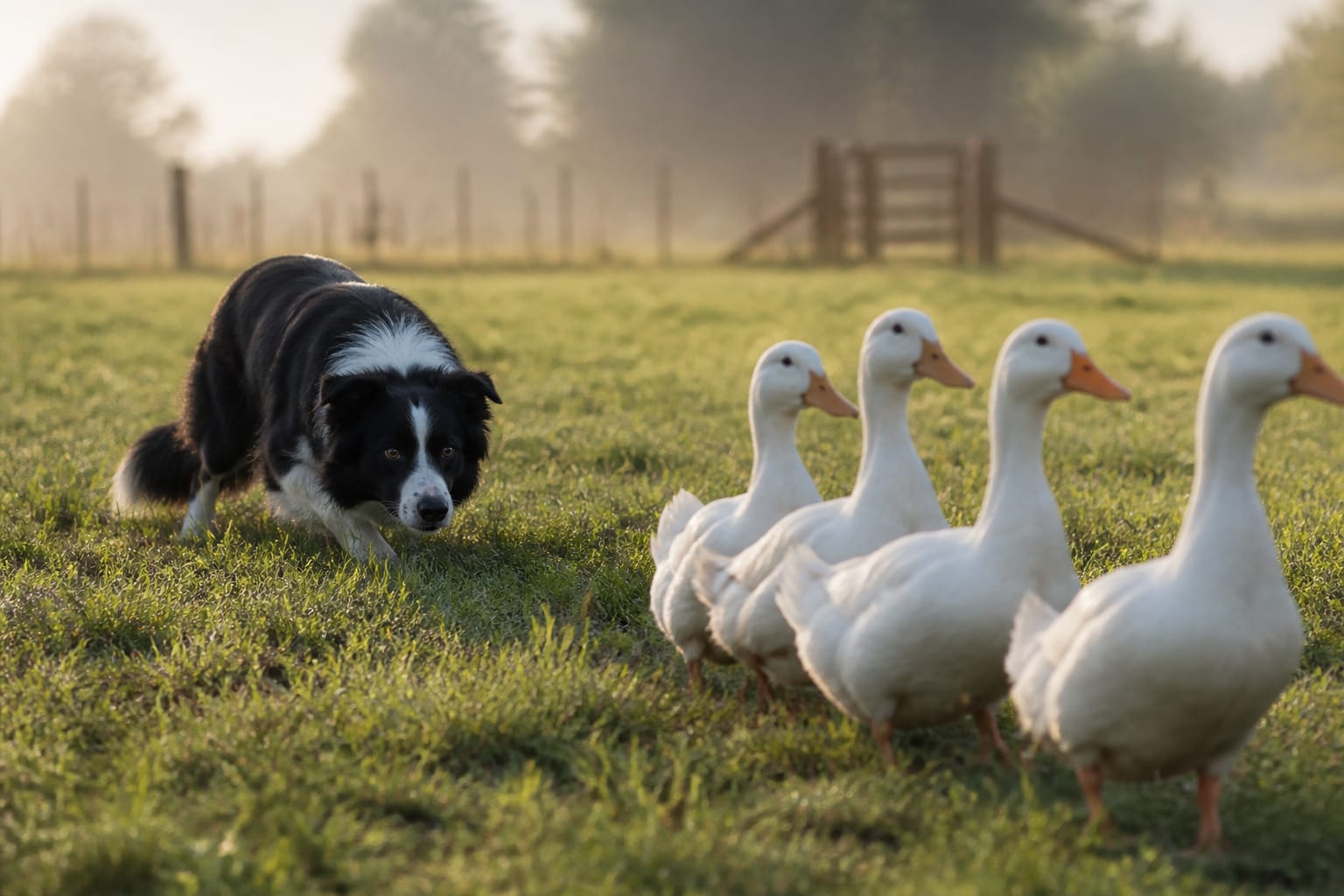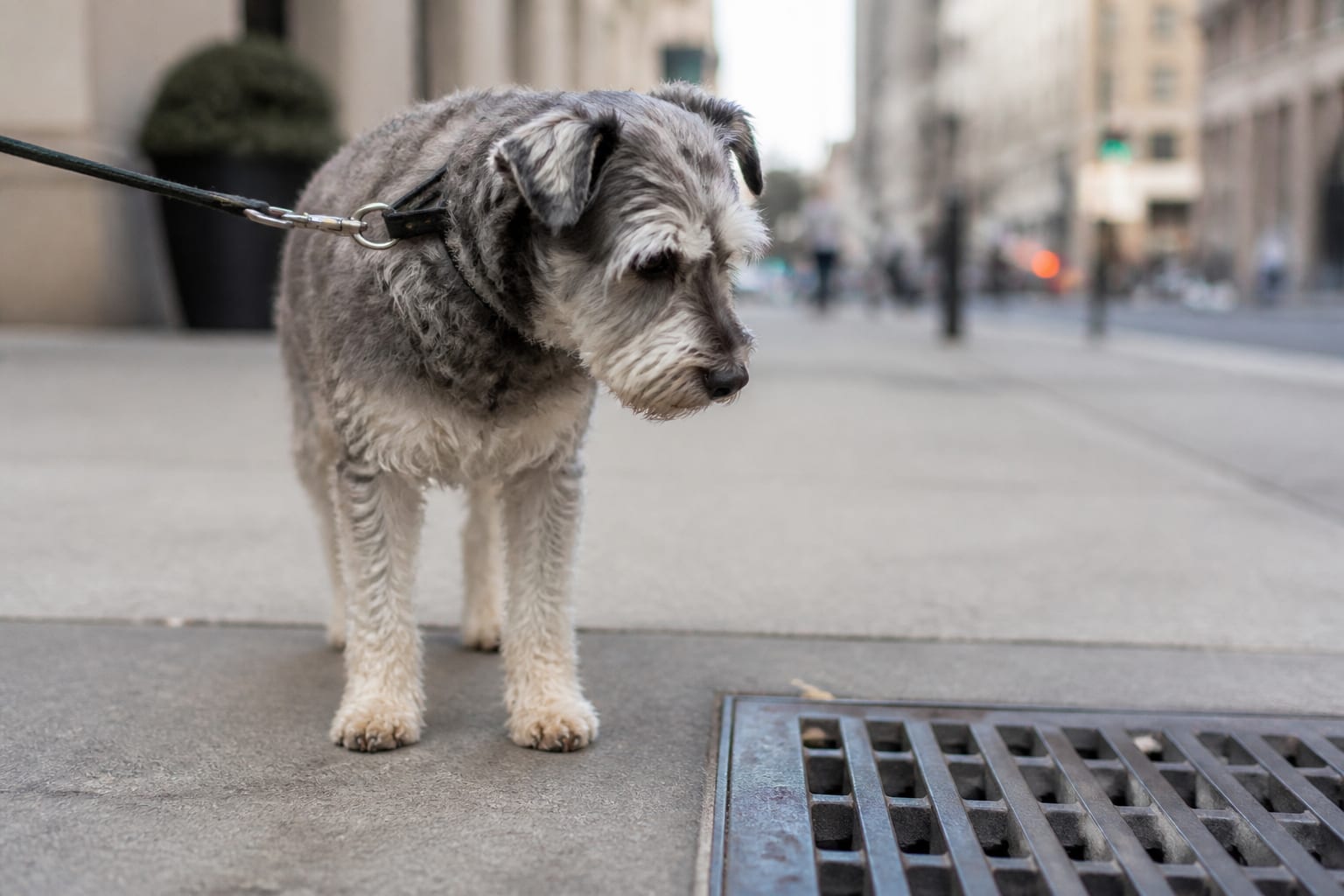
Kade is eleven, arthritic in both hips, and completely deaf in his left ear. He served nine years as a patrol and tracking dog, and he has been retired since last September, living with his handler of that entire career, Sergeant Ilona Paget.
Every morning at 7:00, he walks to the front door, sits down facing it, and waits for about twenty minutes.
"Seven o'clock was when we left for shift," Paget said. "Every day, for nine years. I don't think it's grief and I don't think it's confusion. I think it's just the strongest habit either of us has."
Behaviorists tend to agree with her framing, and it's a useful correction to how these stories usually get told. Dogs are extraordinarily good at anticipatory time-keeping — not through clock-reading but through a combination of circadian rhythm, cues in the household routine, and, research suggests, the changing intensity of scent in a room over the course of a day. A dog who has done the same thing at the same time for nine years has a routine encoded at a level that doesn't simply switch off because the uniform stopped coming out of the closet.
What matters clinically is what happens next. A dog waiting at a door and then settling comfortably is running a habit. A dog who waits, then paces, pants, vocalizes, won't eat, or can't be redirected is showing distress, and in an elderly dog that pattern can also be an early sign of canine cognitive dysfunction — the age-related decline that shows up as disrupted sleep cycles, disorientation in familiar spaces, and getting stuck in repeated loops.
Kade's veterinarian, Dr. Hollis Grimaldi, has evaluated him twice for exactly this. "He passes," she said. "He waits, he gets up, he goes and lies in the sun, he eats his breakfast, he's fine. That's not pathology. That's an old professional with a schedule."
Retirement transitions for working dogs are their own small discipline. Police, military, and detection dogs go from six to ten hours of structured, high-arousal work a day to nothing, and the drop-off is hard on them. The current best-practice advice is to replace the structure rather than remove it: short scent-work sessions in the yard, food puzzles that require searching, a daily "assignment" with a clear beginning and end. Kade does ten minutes of hidden-scent work most mornings after his door shift, using the same trained odor he worked professionally, at a fraction of the difficulty.
Paget has made one accommodation she describes as slightly ridiculous. She still comes down the stairs at 6:55 in the same order she used to — boots, keys, coat off the hook — and then hangs the coat back up and makes coffee. "It costs me forty seconds," she said. "He gets the whole sequence and then we're both off duty. I'm not going to spend the last part of his life correcting the thing he's proudest of."
Kade's arthritis is managed with a monthly injection, daily anti-inflammatories, a heated orthopedic bed, and a rule against stairs. He is, per his last bloodwork, in good shape for eleven. He will be at the door tomorrow at seven.