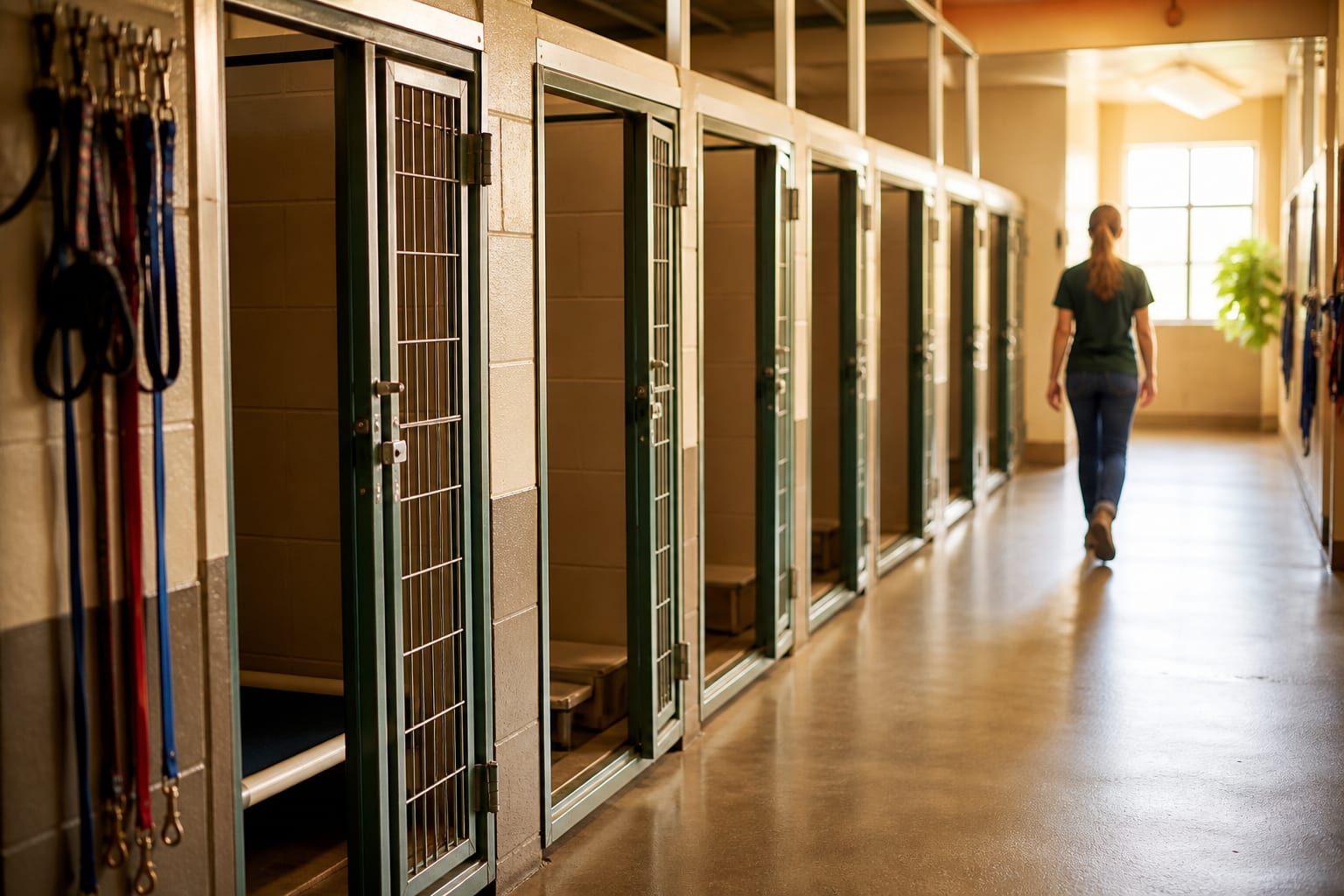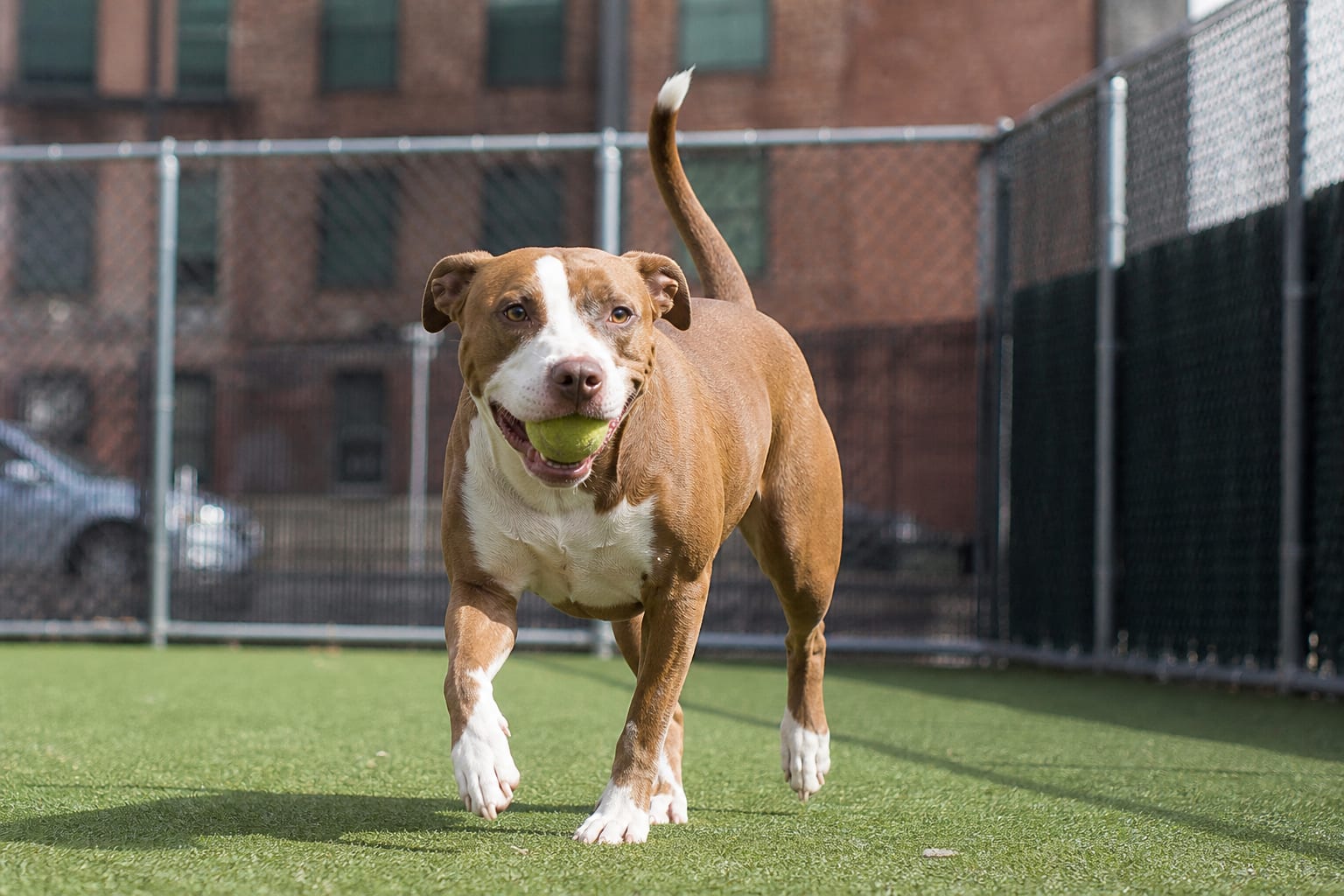
Marzipan came into the Halloway Street shelter in May of last year, an eleven-year-old spaniel mix surrendered when her owner moved into assisted living. She was healthy apart from dental disease and mild arthritis, house-trained, quiet, good with other dogs, and utterly indifferent to cats.
She was in that kennel for four hundred and eleven days. In the first year, three people asked to meet her.
The arithmetic of senior adoption is well documented and depressing. Dogs over about seven have dramatically lower adoption rates and dramatically longer stays than any other group, and the reasons people give are consistent: fear of a short time together, worry about veterinary costs, and an assumption that an older dog comes with entrenched problems.
The first is the one shelter staff find hardest, because it's not irrational — it's just badly calibrated. A healthy eleven-year-old small-to-medium dog frequently has three to five years left. "People imagine they're adopting a hospice case," said the shelter's volunteer coordinator, Ruthanne Ojo. "They're mostly adopting a dog who will be around for the length of a mortgage refinance, who already knows not to chew the sofa."
What eventually changed for Marzipan was her kennel card. The original one was accurate and comprehensive: eleven years old, dental disease, early arthritis, on a daily anti-inflammatory, prefers a quiet home, not suitable for young children. Every word true. Read cold, in a corridor, it read as a list of problems.
Ojo rewrote it in March. The new card led with three sentences: Marzipan sleeps fourteen hours a day and would like to do most of it on you. She has never once had an accident indoors. She walks twenty minutes and then she is finished, which staff consider her best quality. The medical information stayed — it was moved to the bottom, under a heading that said "What her care looks like," with actual numbers: her medication costs about eleven dollars a month, and her dental work had already been done by the shelter.
That last detail turns out to matter enormously. Cost uncertainty is a bigger deterrent than cost. An adopter told "she has dental disease" imagines a thousand-dollar bill; an adopter told "her dental extractions were completed in January and here are the radiographs" is being handed a solved problem.
She had six inquiries in April and was adopted in early June by a couple in their sixties who had specifically come in looking for a dog over eight — a demographic Ojo says is far larger than most shelters market to. "Retired people, people who work from home, people who've just lost an old dog and can't face a puppy," she said. "They exist in large numbers and we spend all our advertising on families with kids."
Several other things reduce senior length of stay, and the shelter has since adopted all of them: covering pre-existing dental and lump-removal work before listing; offering a discounted or waived fee for dogs over eight; providing a written summary of current medications with monthly costs; and running foster-to-adopt trials, which resolve the "will she settle" question that no kennel visit can answer.
Marzipan's adopters sent a photograph in July. She is asleep on a sofa, on a person, in direct sunlight. Ojo has it printed and taped next to her monitor, mostly, she says, as a reminder about kennel cards. "We wrote her as a medical record for a year," she said. "The dog didn't change. The paragraph did."