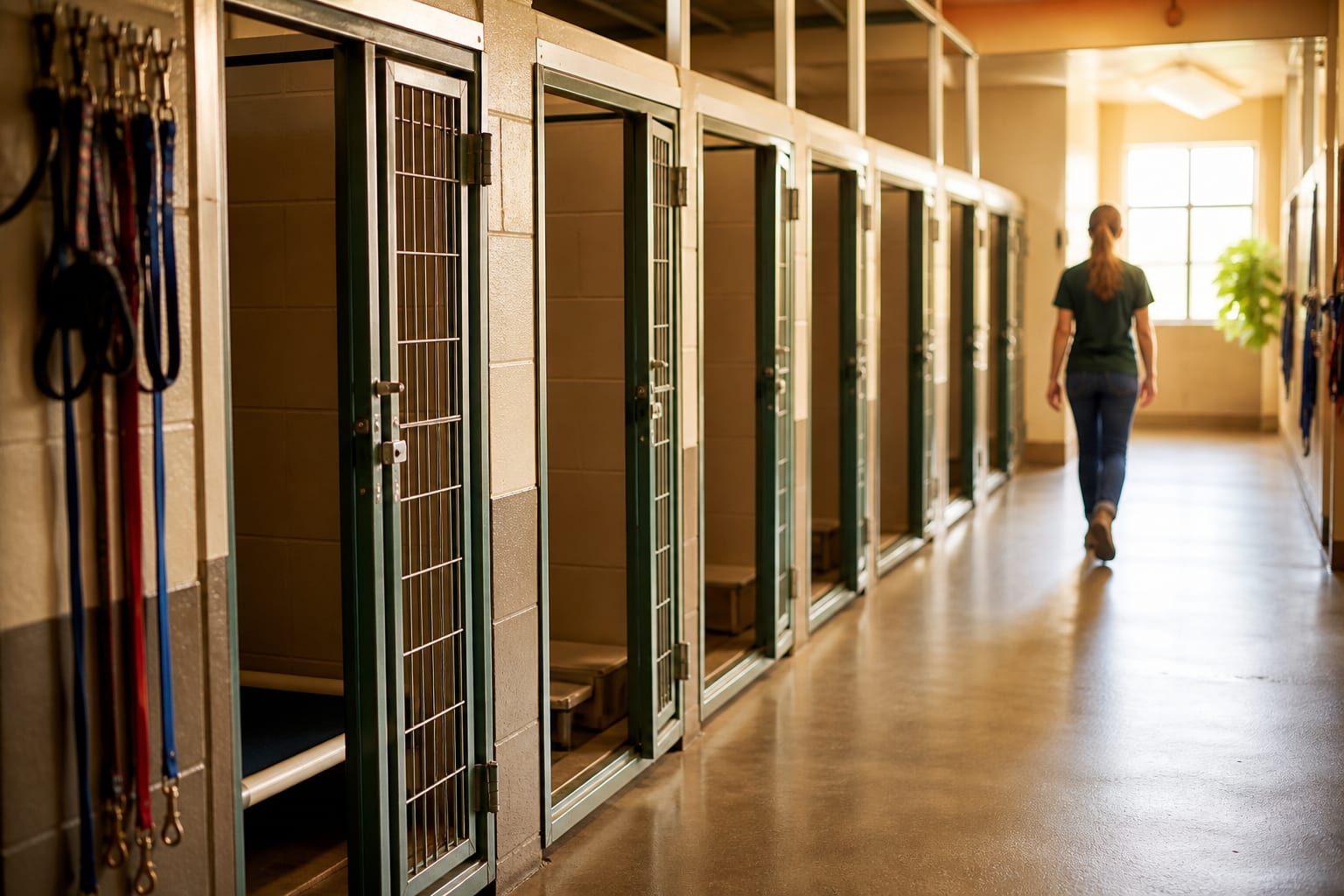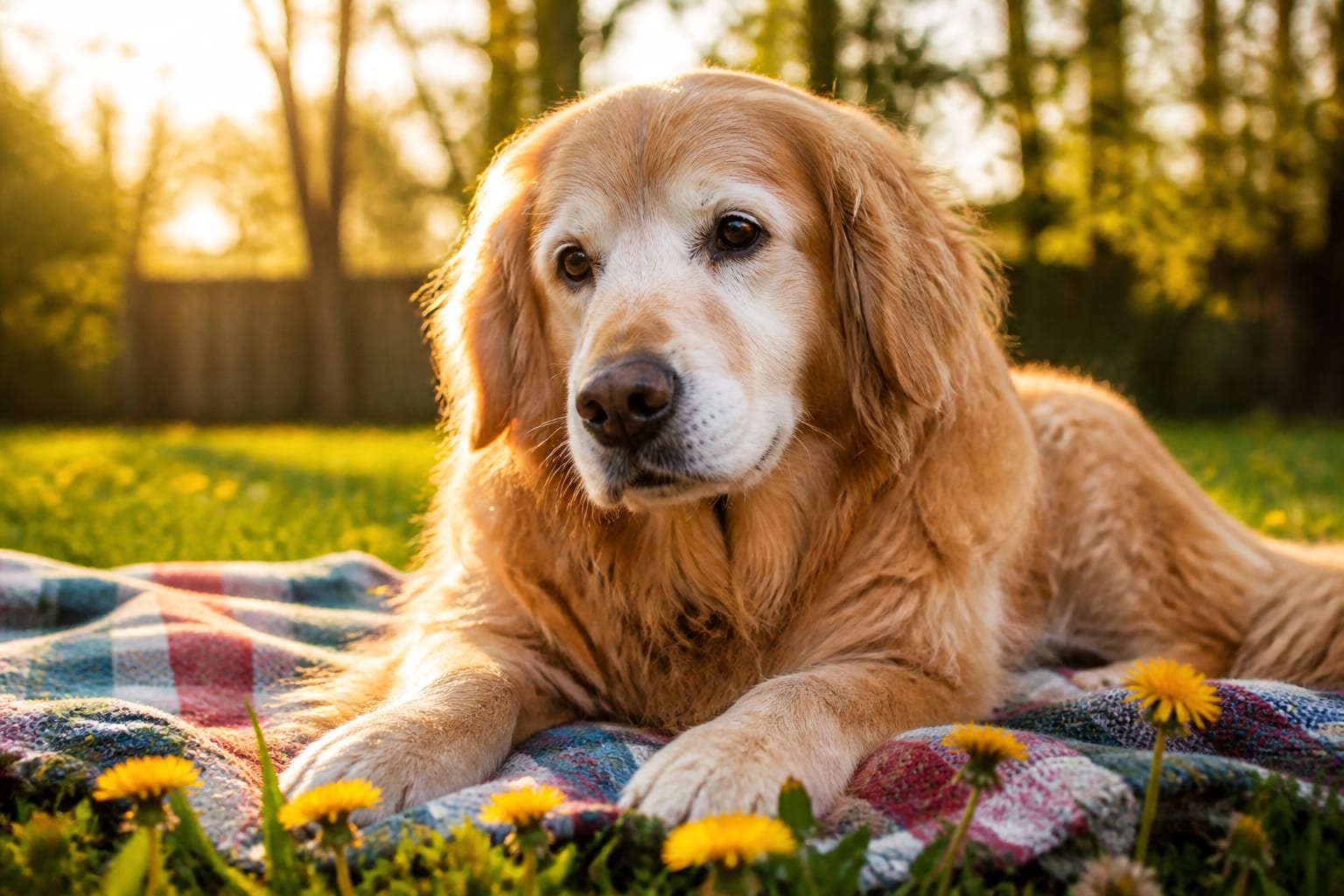
Animal Haven, a rescue in New York City, has dogs of every age and temperament on its roster at any given moment. Three of them illustrate the three different mechanisms that keep an adoptable dog in a shelter, and none of the three is what the public tends to assume.
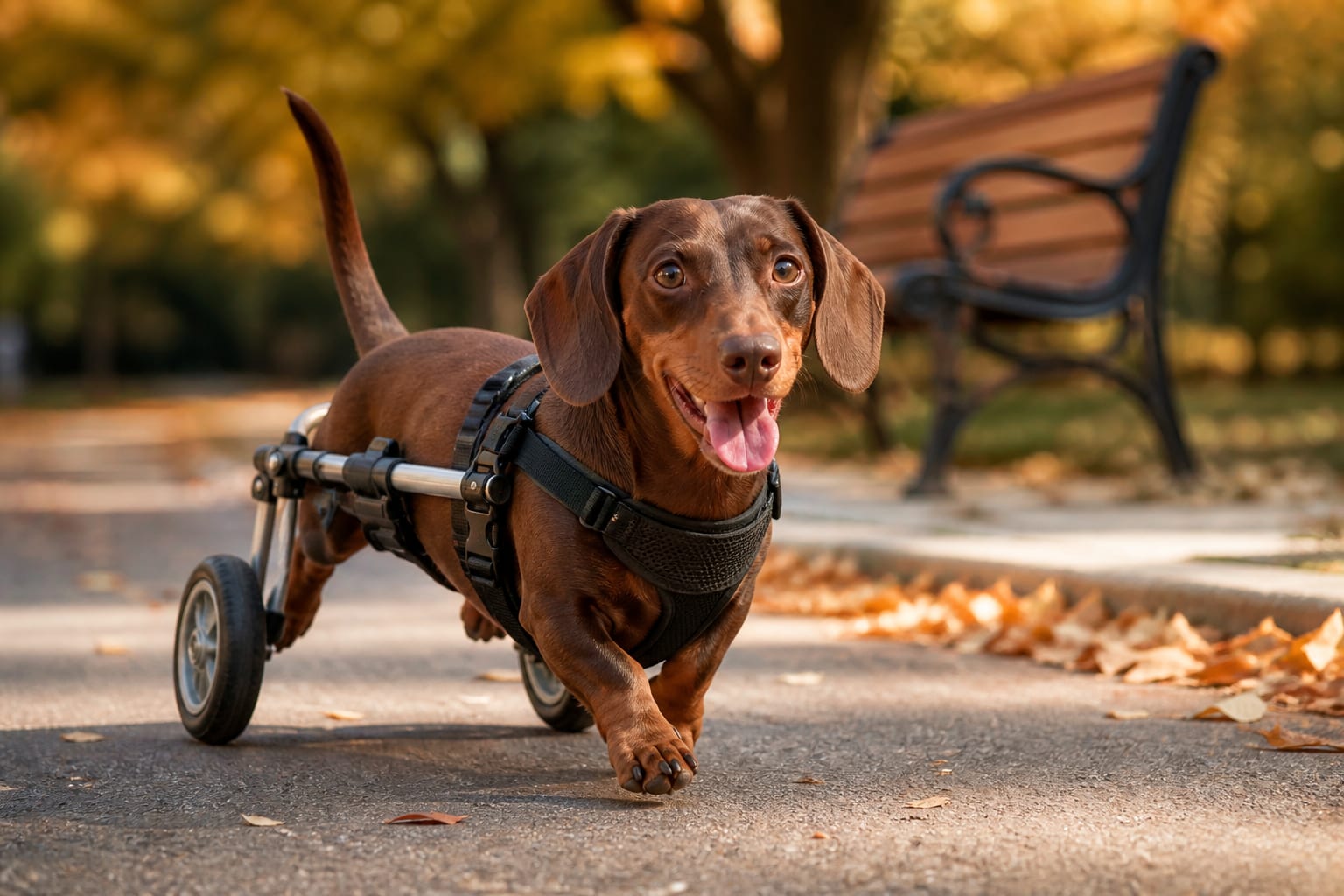
Jase is a French bulldog puppy who was surrendered to a city shelter after an accident in his previous home left him paralysed. He is now at Animal Haven, attending physical therapy sessions that include heated-water work. Kristin Kenney, the rescue's director of projects and partnerships, is direct about the prognosis: the therapy is there to slow muscle atrophy, re-educate his gait and keep him comfortable, not to restore normal movement, which he will not regain. He is waiting to be fitted for a wheelchair. Everything else about him is a puppy — curious, food-motivated, indiscriminately fond of people. His barrier is that his family has to be ready for a dog with a permanent disability, and the honest version of that job description scares off people who could actually do it.
Alabaster Snowball is two, sweet with both dogs and people, and badly suited to Manhattan. He is anxious, and the specific problem is that the city itself is the trigger — constant noise, crowding and unpredictability, with nowhere to decompress. Staff are working on coping skills and say he is building confidence, but on difficult days the anxiety costs him his appetite, which is a common and under-recognised sign. Kenney's read is that he missed structure and reassurance as a puppy and is now learning it late. His barrier is geography as much as temperament: he needs a quieter home than the borough he was rescued into.
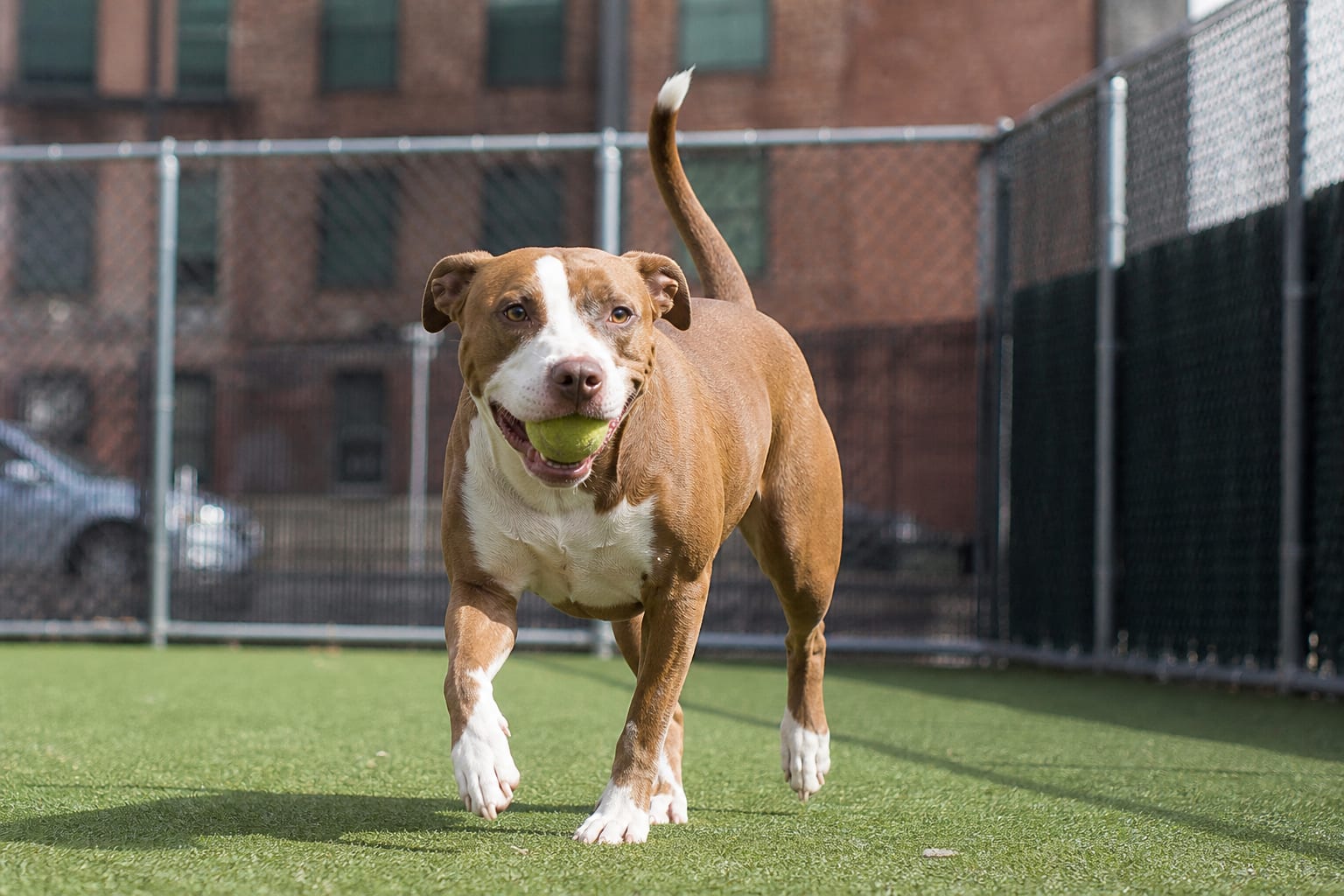
Daria is the one that should trouble people. She is a five-year-old pocket-sized pit bull type, pulled from an overcrowded Louisiana shelter, and she has been at Animal Haven for three years. Staff describe her as adaptable, resilient and unusually well-adjusted for a dog with that length of stay — Kenney notes that dogs held this long typically show behavioural deterioration, and Daria hasn't. She likes tennis balls, new people and new places, and she is snugglier in foster homes than she ever is at the shelter.
What has kept her there is barrier frustration. When Daria sees a dog she cannot reach, she barks, spins and fixates, and to anybody standing in a shelter corridor that looks like dog aggression. It is not the same thing. She has been introduced to dozens of dogs of all sizes and ages and is friendly, if exuberant, with them; Kenney has taken her hiking alongside another selective dog and watched her notice dogs at a distance without reacting at all.
Barrier frustration is one of the most consequential misdiagnoses in shelter adoption, because the environment that produces it is the environment in which every adopter forms their impression. A dog behind a kennel door, on a short lead in a hallway, or at the end of a fence line is in exactly the conditions that generate the behaviour — and a dog who presents this way loses months to it. The fix is not a behaviour programme, it's an introduction that happens somewhere else: outdoors, at distance, on a long line, with movement available.
All three dogs are listed with the rescue now. The pattern worth taking away is that in each case the thing standing between the dog and a home is a piece of information the adopter doesn't have yet.