The term is used across rescue with a kind of rueful pride: foster fail, the volunteer who takes in an animal temporarily and then adopts it. It's meant fondly. It is also, several coordinators argue, a phrase that quietly discourages the exact people they most need.
"I've had two people in the last year apologise to me," said Delphine Aduba, who runs a kitten foster program with about sixty active homes. "Apologise. For giving a cat a permanent home. That's the outcome. That is literally the outcome we're all working toward."
The pattern she's tracked in her own program is the opposite of what the joke implies. Of the volunteers who adopted their first foster animal, roughly two-thirds went on to keep fostering, and that group has a substantially longer average tenure than fosters who never adopted. Her explanation is straightforward: the people who bond hard enough with the first one to keep it are the people who are temperamentally suited to the work.
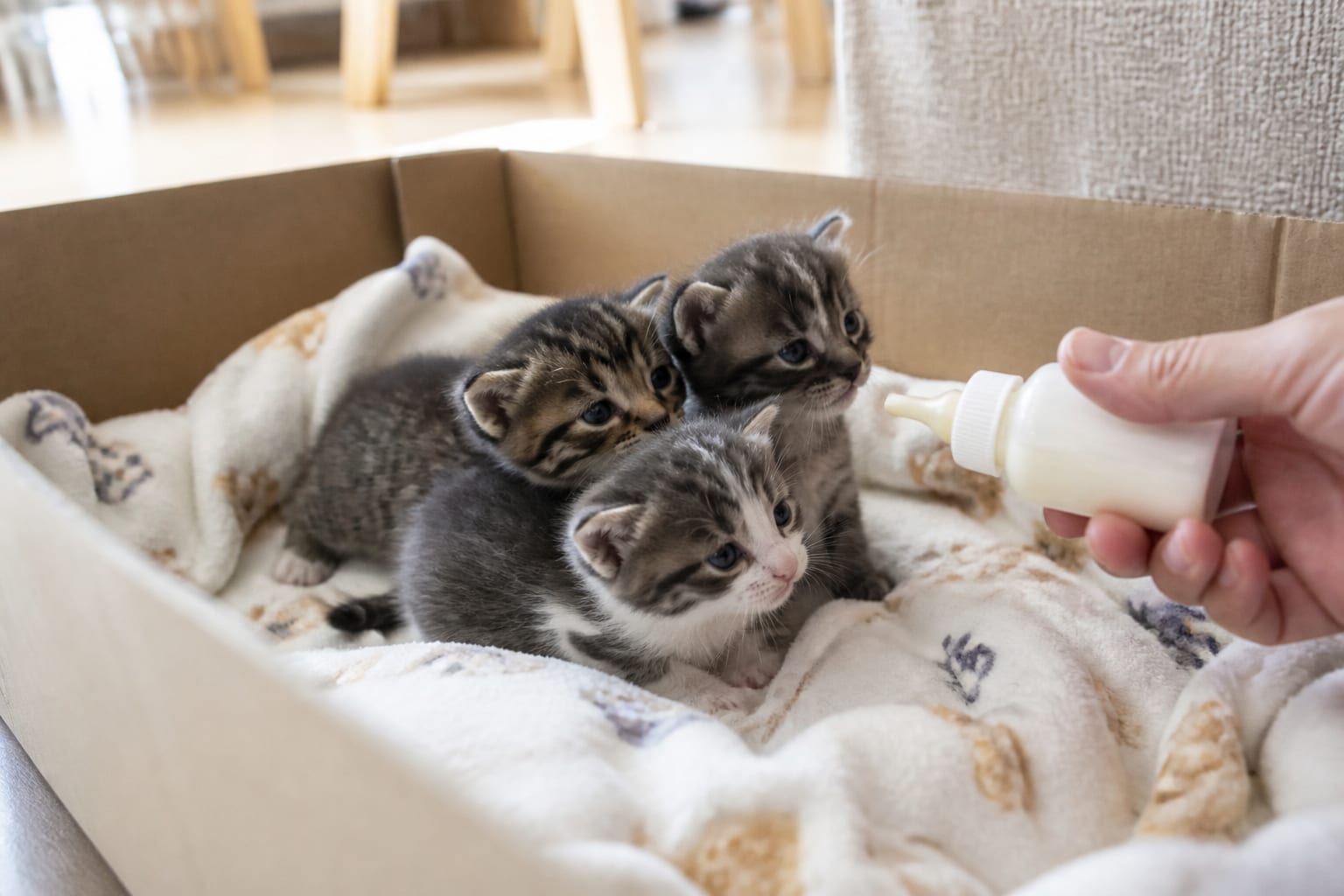
Neonatal kitten fostering is where this comes up most, and it's worth understanding why the attachment is so intense. A bottle-fed litter is a two-to-three-hour feeding cycle around the clock for the first two weeks, with weight recorded daily, stimulation after every feed, and a mortality rate that is real no matter how good you are. Volunteers who do it describe something closer to intensive care nursing than pet-sitting.
"You will lose kittens," Aduba said. "Everyone does. The ones who make it, you got out of a drain or a wall cavity and you kept alive by hand for six weeks. Of course some people can't hand that back. I don't think that requires an explanation and I don't think it requires the word fail."
What coordinators do worry about is a different, quieter problem: the foster who adopts every animal, fills the house in eighteen months, and then has to stop volunteering entirely because there's no capacity left. That's a genuine loss to a program, and it's the reason experienced coordinators talk to new fosters about limits before the first placement arrives.
The tactics that help are practical. Agree a household cap in advance — a number of resident animals, decided when nobody is holding a kitten. Take on litters rather than singletons, because bonded pairs are easier to place together and harder to individually fixate on. Do the adoption listing early, while the animals are still small, so the pipeline exists before the attachment does. Attend the adoption day and hand over in person, which coordinators say helps far more than avoiding it. And take a deliberate gap between placements rather than accepting the next call while the house still feels empty.
Aduba's own position is that the framing needs to shift. Her program now sends new volunteers a note in the welcome packet that reads, in part: You may adopt your first foster. Roughly one in four of our volunteers does. This is not a failure of the program or of you. Please tell us early so we can process it as an adoption rather than a return.
The practical ask underneath all of it is the one every rescue is making right now. Foster capacity, not adopter demand, is the binding constraint for most organisations — a shelter can only pull as many animals as it has homes to put them in, and kitten season breaks that math every single year. "If you're reading this and thinking you'd be terrible at it because you'd get attached," Aduba said, "you're describing our best volunteers."